Showing posts with label Indonesia. Show all posts

Sunday, June 6, 2010

INDONESIA PALING CEPAT !!!

Bagi pengguna internet di Asia Tenggara, Indonesia rupanya berhasil mencapai sebanyak 48% pengguna aktif internet. Setidaknya itulah hasil yang dilakukan Net Index Study yang diselenggarakan oleh Yahoo.

Jumlah itu naik 26% dibandingkan pada tahun 2009. Hal itu disebabkan peningkatan pengguna internet melalui ponsel atau internet mobile dan trend untuk mengakses media online.

Tarif dan ekspansi 3G di Indonesia rupanya memainkan peranan penting dalam pertumbuhan internet. Pengguna jaringan sosial juga mencapai hingga 77%, naik sekitar 19% dari tahun lalu.

Di negara lain seperti Vietnam. Jumlah pembaca berita online dan gamer rupanya juga meningkat. Sebanyak 97% warganya memperoleh berita melalui situs portal berita lokal dan internet.

Meski demikian, penggunaan media sosial meraih persentase lebih rendah. Hanya 40% pengguna memanfaatkan forum online dan 20% lainnya lebih menikmati layanan blog. Sementara penggunaan internet mobile rupanya masih rendah, yaitu 19%.

Persentase itu sebetulnya sudah naik 9% ketimbang jumlah pengguna di tahun lalu. Dan setelah ditelusur, kota Ho Chi Minh dan Da Nang lah yang memimpin dalam penggunaan internet mobile.

Beda lagi di Filipina. Internet mobile rupanya telah berkembang pesat di tahun ini. Dibandingkan pada tahun 2009, sebanyak 18% pengguna menggunakan internet untuk mencari informasi. Sementara sebanyak 62% memanfaatkan akses untuk mencari gambar dan mengunjungi situs berbagi video yang mencapai 52%.

Gaung kehebohan situs jejaring sosial Facebook rupanya menyentuh warga Filipina. Sebanyak 79% pengguna internet lebih suka membuka situs besutan Mark Zuckenburg ini. Rupanya, yang menjadi tujuan utama media sosial di negara ini adalah untuk ber-networking yang mencapai 53% dan untuk mengakses konten sebanyak 30%.

Hasil studi tersebut menyoroti tiga perubahan utama di tahun ini. Pertama adalah pengguna di daerah kini lebih banyak mengkonsumsi media online untuk mencari tahu informasi terbaru. Kedua, meningkatnya pengguna dalam keterlibatan di media sosial internet, baik dari segi kontribusi maupun dalam mendistribusikan informasi di internet. Terakhir adalah meningkatnya konsumsi para pengguna pada konten berisi hiburan, gosip dan game.

"Pada saat ledakan pertumbuhan internet di Asia Tenggara, Yahoo adalah industri terkemuka dalam komitmennya untuk menyediakan pemasar dengan pengetahuan yang diperlukan untuk memanfaatkan peluang besar yang tersedia di setiap daerah," ujar Ken Mandel selaku Wakil Presiden Pasar Regional Iklan Yahoo! di Asia Pasifik.

Dikutip dari Media Asia, Sabtu (5/6/2010). Net Index Study ini bertujuan untuk meneliti trend penggunaan internet di Indonesia, Malaysia, Vietnam dan Filipina di setiap tahunnya. Studi ini merupakan kerjasama antara Yahoo, TNS, Nielsen dan Synovate.

Read More..

Friday, April 9, 2010

Ibu Samsariah, Indonesia


Microfinance helps Ibu Samsariah dream of a better life—even after the tsunami threatened to take it away.

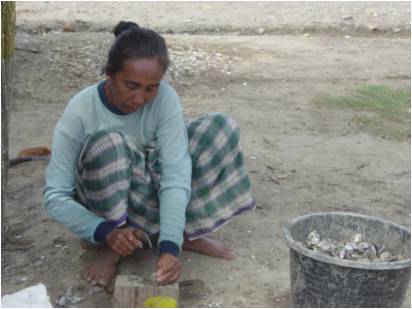
Ibu Samsariah fished the canal near her home in the village of Ruko and the ocean for oysters. Her husband worked as a labi-labi driver (a small mini-van that operates like a bus) and her two sons found work when they could as day laborers. Between the four of them, they made a modest living and lived comfortably with their combined income meeting their basic needs. However, the tsunami in 2004 hit Samsariah’s village with a vengeance.

As it approached, she and her family heard their neighbors’ screams. Before they could reach higher ground, the waves overtook them. She and her sons swam for their lives and ended up in Darussalam, a neighborhood five kilometers away. Her husband was swept out to sea, never to be seen again. After the tsunami, Samsariah and her sons were left with no husband and father, no possessions, no tools for fishing, and no income. Despite her family’s already devastating situation, Samsariah met two young boys who were orphaned by the tragedy. She decided to take them in and raise them as her own, sharing with them whatever she had left. For months, she and her sons relied on aid and donations.

But at the beginning of 2006, Samsariah took control and began to turn her luck around. She formed a group and received a $100 loan from Yayasan Mirtra Dhuafa (YAMIDA) to buy the necessary equipment to re-start her business. She contacted the man at the nearby market with whom she used to do business to see if he would buy her oysters. He agreed and she immediately set to work. Within a day of receiving the loan she once again had an income.

With the money she makes from her oysters, combined with the odd jobs her sons find, they manage to make ends meet. Samsariah plans to open a stall of her own in the local market, which would allow her to benefit from a markup of her sales price. The profits from owning her own stall would enable her hire someone else to fish for and shell the oysters. As her income continues to improve, she hopes to send her adopted sons to school. She dreams of them finishing high school, a dream that no one in her immediate family has yet realized.

Courtessy & donating to http://grameenfoundation.org
Read More..

Monday, March 29, 2010

Kain Batik, Indonesia Native Culture Results

The Development of Batik in Indonesia

Batik is historically derived from ancestral times, known since the seventeenth century, written and painted on palm leaves. At that time batik motif or pattern is still dominated by the form of animals and plants. But in the history of batik development evolved, namely from painting motifs of animals and plants gradually turn to an abstract pattern that resembles a cloud, temple reliefs, wayang beber and so on. Next through the merger of the painting style of clothing decorated with art, batik art emerged as we know it today.

The type and style of traditional batik quite so much, but the pattern and variations in accordance with the philosophy and culture of each region are very diverse. The cultural treasures of this rich Indonesia has led to the birth of batik style and types of specialties tradisioanal with their own characteristics.

History of batik in Indonesia related to the development of the kingdom of Majapahit kingdom and beyond. In some records, the development of batik is often committed in times of Mataram kingdom, then in the kingdom of Solo and Yogyakarta.

Art is the art of batik on fabric image for clothing that was one of the family culture of Indonesian kings of old. Batik initially done only in a limited course and outcome palace for the king and the family clothing and his followers. Because many of the followers of the king who lived outside the palace, the art of batik was taken by them out of court and be done in place of each.

In the development of batik art gradually imitated by the people of this and the next nearest extends to the work of women in the household to fill his spare time. Furthermore, batik clothing was only the royal family, then became a popular folk clothes, both women and men.

White fabric that is used when it is woven themselves. Medium coloring materials used consist of native plants homemade Indonesia among others, from: mengkudu tree, tall, Soga, indigo, and flat materials made from soda ash, as well as salts made from mud.

So this batik in Indonesia has been known since the days of the Majapahit kingdom and continue to grow until the next kingdom. The start spreading this batik art belongs to the people of Indonesia and Java in particular tribe is after the end of the eighteenth century or early nineteenth century. Produced batik batik is all until the early twentieth century and printed batik is known only after the world war was over unity or around the year 1920. Now batik has become part of traditional Indonesian clothing.

Different types of Batik

1. Batik Kraton
Batik Kraton awal mula dari semua jenis batik yang berkembang di Indonesia. Motifnya mengandung makna filosofi hidup. Batik-batik ini dibuat oleh para putri kraton dan juga pembatik-pembatik ahli yang hidup di lingkungan kraton. Pada dasarnya motifnya terlarang untuk digunakan oleh orang “biasa” seperti motif Parang Barong, Parang Rusak termasuk Udan Liris, dan beberapa motif lainnya.


2. Batik Sudagaran
Motif ban from the palace to stimulate artists from the merchant to create a new motive to taste the merchant community. They also change the ban so that the motive motive can the public use. Sudagaran batik designs are generally impressed with "brave" in the election form, stilisasi of natural objects or animals, or a combination of colors that dominated Soga color and dark blue. Batik Sudagaran in the process of presenting the quality of workmanship and the complexity of presenting the new decoration. Creator Sudagaran change batik batik-palace with Isen Isen complex and filled with cecek (spots) that create the most beautiful batik.


3. Batik Petani
Batik is created as a distraction activity housewife at home when not to go to the fields or during leisure time. This batik is usually rough and awkward and not smooth. Hereditary motive as their respective regions and batik unprofessionally done because only a sideline. For any coloring opted to merchants.


4. Batik Belanda
Dutch citizens who are interested in a lot of Indonesian batik. They create their own motifs favored Europeans. Motive of European flowers, like tulips and motives figures famous fairy tale there.


5. Batik Jawa Hokokai
During the Japanese occupation in the northern coast of Java was born variety called batik batik Hokokai. The dominant motif is flowers like cherry blossoms and chrysanthemums. Almost all wore Hokokai Javanese batik background (Isen, Isen) a very detailed like machetes and kawung motif in the center and the edges are filled again, for example, rice flower motifs.


Hopefully some info on the above can make us more loving culture of Indonesia
Bravo ^_^>

GET DOLLAR FREEEEE!!!! klik here
exclusivemails.net

Read More..